Temporal concerns related to fashion–
Fashion is, per definition, a phenomenon related to time: a popular style in a certain time and context. This also affects the perception of what is and should be made more “sustainable” – if fashion should be “fast” or “slow” – or if it should be more exclusive or inclusive. Like much other design, the objects of fashion exist in the interzone between desire and discard along a temporal axis, between the shimmering urge towards life and the thermodynamic fate of death. As noted by cultural theorist Brian Thill, “waste is every object, plus time.”
When it comes down to the garments themselves, their durability depends on their use and “metabolism” – certain garments are made to withstand long use (ex. outdoor equipment, winter jackets) whereas other garments have a quicker turn-around (ex. a party top). This means some garments have properties to be made more durable, whereas others should be compostable or recyclable for quicker disintegration. Some garments age well and acquire patina and a romantic enchantment not unlike the wonder, fascination and grandeur of historical ruins, whereas the derelict and discarded rags of last season is an eyesore and nuisance; the first connotes a majesty of taste, whereas the second is the underclass of waste.
“Fast fashion”
One of the most apparent reasons for the current unsustainable condition of the fashion system is related to the temporal aspects of fashion; the continuous stream of new goods onto the market, or what is popularly called “fast fashion.” The term has come to signify cheap, accessible and on-trend clothes, sourced through global production chains and sold through chains such as H&M, Zara, Forever21, etc. The 2012 book Overdressed: The Shockingly High Cost of Cheap Fashion by journalist Elizabeth L. Cline was an early investigation into the rise of disposable consumption of fashion and its impacts on the planet, the economy and consumer relationships with clothing.
However, the “fast” aspect of consumption is a problem to the environment first when done in massive scale. As long as fast conspicuous consumption was reserved to the rich, the global impact was not reaching public attention or seen as a problem. That is, “fast” shopping sprees of haute couture is not seen as a problem, rather it is celebrated (for example in movies such as Pretty Woman), whereas when people with less means shop fast fashion it is seen as unethical and a problem.
“Slow fashion”
Slow fashion can be seen as an alternative approach against fast fashion, based on principles of the slow food movement. Characteristics of sustainable fashion match the philosophies of “slow fashion” in that emotional, ecological and ethical qualities are favored over uniform and bland convenience with minimal friction. It requires a changed infrastructure and a reduced through-put of goods. Categorically, slow fashion is neither business-as-usual nor just involving design classics. Nor is it production-as-usual but with long lead times. Slow fashion is a vision of the fashion sector built from a different starting point. Slow fashion is a fashion concept that reflects a perspective, which respects human living conditions, biological, cultural diversity and scarce global resources and creates unique, personalized products.
Slow fashion often consists of durable products, traditional production techniques or design concepts that are season-less. The impact of slowness aims to affect many points of the production chain. For workers in the textile industry in developing countries, slow fashion means higher wages. For end-users, slow fashion means that the goods are designed and manufactured with greater care and high quality products. From an environmental point of view, it means that there is less clothing and industrial waste that are removed from use following transient trends in slow fashion. New ideas and product innovations are constantly redefining slow fashion, so using a static, single definition would ignore the evolving nature of the concept.
Examples of stability of expression over long times are abundant in the history of dress, not least in ethnic or folk dress, ritual or coronation robes, clerical dress, or the uniforms of the Vatican Guard. The emphasis on slowness in branding is thus an approach that is specific for a niche in the market (such as Western educated middle-class) that has since the 1990s become dominated by “fast” models. One of the earliest brands that gained global fame with an explicit focus on slow fashion, the UK brand People Tree, embraces the concept of ethical trade, manufactures all products in accordance with ethical commerce standards and supports local producers and craftsmen in developing countries. The People Tree brand is known as the first brand in the world that received the Ethical Trade Brand award, which was given in 2013. In addition to adopting ethical trade, the brand also prefers to use nature-friendly materials, textile products with GOTS certification and local, natural, recyclable material.
The concept of slow fashion is however not without its controversies, as the imperative of slowness is a mandate emerging from a position of privilege. To stop consuming “fast fashion” strikes against low income consumers whose only means to access trends is through cheap and accessible goods. Those who are already having a high position in society can afford to slow down and cement their status and position, while those on their way up resent being told to stay at the lower rungs of the status hierarchy. Another obstacle that the “slow fashion” paradigm is facing is related to consumers’ behaviour towards the consumption of fashion and specifically clothing . In fact, sustainability conscious consumers, that usually take into account social and environmental implications of their purchases, may experience an attitude-behaviour gap preventing them to change their consumptions habits when it comes to choose ethical clothing. Purchasing fashion is still perceived as an action connected to social status and it is still strongly emotionally driven.
Garment use and lifespan
The environmental impact of fashion also depends on how much and how long a garment is used. Typically, a garment used daily over years has less impact than a garment used once to then be quickly discarded. Studies have shown that the washing and drying process for pair of classic jeans is responsible for almost two-thirds of the energy consumed through the whole of the jeans’ life, and for underwear about 80% of total energy use comes from laundry processes. Thus, use and wear practices affect the lifecycles of garments and needs to be addressed for larger systemic impact.
However, there is a significant difference between making a product last from making a long-lasting product. The quality of the product must reflect the appropriate fit into its lifecycle. Certain garments of quality can be repaired and cultivated with emotional durability. Low-quality products that deteriorate rapidly are not as suitable to be “enchanted” with emotional bonds between user and product.
Ecological concerns related to fashion-
Sustainability is significant for fashion, because the textiles and fashion industry is among the leading industries that affect the environment negatively. One of the industries that jeopardizes sustainability is the textiles and fashion industry, which also bears great responsibilities. The clothing industry has an impact on the environment. Globalization, consumerism, and recycling are all a part of a clothing life cycle. Globalization has made it possible to produce clothing at increasingly lower prices, prices so low that many consumers consider this clothing to be disposable.[6] Disposable clothing appears popular throughout many malls in America and Europe. This is a key characteristic of fast fashion. However, fast fashion adds to pollution and generates potential environmental and occupational hazards.
Environmental hazards
The clothing industry has one of the highest impacts on the planet. High water usage, pollution from chemical treatments used in dyeing and preparation and the disposal of large amounts of unsold clothing through incineration or landfill deposits are hazardous to the environment.There is a growing water scarcity, the current usage level of fashion materials (79 billion cubic meters annually) is very concerning, because textile production mostly takes place in areas of fresh water stress.Only around 20% of clothing is recycled or reused, huge amounts of fashion product end up as waste in landfills or is incinerated. It has been estimated that in the UK alone around 350,000 tons of clothing ends up as landfill every year. According to Earth Pledge, a non-profit organisation committed to promoting and supporting sustainable development, “At least 8,000 chemicals are used to turn raw materials into textiles and 25% of the world’s pesticides are used to grow non-organic cotton. This causes irreversible damage to people and the environment, and still two thirds of a garment’s carbon footprint will occur after it is purchased.” The average American throws away nearly 70 pounds of clothing per year. There is an increasing concern as microfibers from synthetic fabrics are polluting the earths waters through the process of laundering. Microfibers are tiny threads that are shed from fabric. These microfibers are too small to be captured in waste water treatment plants filtration systems and they end up entering our natural water systems and as a result contaminating our food chain. One study found that 34% of microplastics found in oceans come from the textile and clothing industry and majority of them were made of polyester, polyethylene, acrylic, and elastane.Eliminating synthetic materials used in clothing products can prevent harmful synthetics and microfibers from ending up in the natural environment.
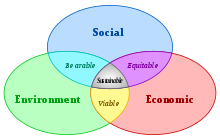
Social concerns related to fashion-
One of the main social issues related to fashion concerns labor. Since the Triangle shirtwaist factory fire in 1911, labor rights in the fashion industry has been at the center of this issue. The 2013 Savar building collapse at Rana Plaza put the spotlight once again at the poor working conditions and hazards in fashion production. Attention is increasingly being placed on labour rights violations in other parts of the whole fashion product lifecycle from textile production and processing, retail and distributionand modelling to the recycling of textiles. Whilst the majority of fashion and textiles are produced in Asia, Central America, Turkey, North Africa, the Caribbean and Mexico, there is still production across Europe where exploitative working conditions are also found such as in Leicester in the UK Midlands and Central and Eastern Europe.
The fashion industry benefits from racial, class and gender inequalities.[32] These inequalities and pressure from brands and retailers in the form of low prices and short lead times contribute to exploitative working conditions and low wages. Also “local” production, such as garments labeled as “Made in Italy” are engaged in global sourcing of labor and worker exploitation, bypassing unions and social welfare contracts.
The number of workers employed in textiles, clothing and footwear is unknown due to the differences in statistical measures.It is generally accepted that at least 25 million people, the majority women, work in garment manufacture and up to 300 million in cotton alone. Nevertheless, it is really difficult to estimate exactly how many people work in the production sector, because small-scale manufacturing and contracting firms that operate illegally continue to exist within the industry. On the 24th of April 2013, Rana Plaza disaster happened as one of the biggest tragedies in history of the fashion industry. The search for the dead ended on 13 May 2013 with a death toll of 1,134. Approximately 2,500 injured people were rescued from the building alive. It is considered the deadliest garment-factory disaster in history, as well as the deadliest structural failure in modern human history.
The environmental impact of fashion also affects communities located close to production sites. There is little easily accessible information about these impacts, but it is known that water and land pollution from toxic chemicals used to produce and dye fabrics and have serious negative consequences for the people living near factories. At the global level, fashion is contributing to climate change and threatens biodiversity, which have social consequences for everyone.
Transparency
Supply chain transparency has been a recurring controversy for the fashion industry, not least since the Rana Plaza accident. The issue has been pushed by many labor organizations, not least Clean Clothes Campaign and Fashion Revolution. Over the last years, brands such as Everlane, Filippa K and H&M have answered by publicizing information about their factories online.
However, the focus on transparency and traceability has so far not shown the promise expected. Even if a consumer can find information on the clothing label, such as the address of the factory and how many people work there, it says nothing about the salaries and living conditions of the workers, the factory’s subcontracting practices, or the environmental impact of sourcing and production. The focus on transparency has so far not bridged information with systemic action and impact. While the agenda of transparency is honourable and important, it is toothless if not paired with real improvements, policy change and legal action which holds corporations and factories responsible for misconduct.
Diversity and inclusion
In addition, fashion companies are criticised for the lack of size, age, physical ability, gender and racial diversity of models used in photo shoots and catwalks.A more radical and systemic critique of social inequality in fashion concerns the exclusion and aesthetic supremacy inherent and accentuated through fashion that still remains unquestioned under the current environmentally focused discourse on sustainable fashion.
It is worth noticing that while social “inclusivity” has become almost a norm amongst brands marketing ethical and sustainable fashion, the norm for what is considered a “beautiful” and “healthy” body keeps narrowing down under what researchers have called the current “wellness syndrome.”With the positive thinking of inclusivity, the assumption is that you can be whatever you want to be, and thus if you are not living up to the ideals it is your own fault. This optimism hides the diktat of aesthetic wellness, which turns inclusion into an obligation to look good and be dressed in fashionable clothes, a “democratic” demand for aesthetic as well as ethical perfection, as argued by philosopher Heather Widdows.
Global concerns related to fashion-
The impact of fashion across the planet is unevenly distributed. Whereas much of the benefits of cheap and accessible clothes targets and benefits the socially mobile classes in metropolitan areas in the Global North, developing countries take a much proportion of the negative impact from the fashion system in terms of waste, pollution, and ecological injustices.
The current focus on solutions related to “reduce, reuse, recycle,” which are primarily promoted through brand initiatives, fails to address the global impact of the fashion system. Not only does it push responsibility for systemic issues onto the individual, but it also primarily positions fashion in a Western consumerism context.
China
China has emerged as the largest exporter of fast fashion, accounting for 30% of world apparel exports. However, some Chinese workers make as little as 12–18 cents per hour working in poor conditions. Each year Americans purchase approximately 1 billion garments made in China. Today’s biggest factories and mass scale of apparel production emerged out of two developments in history. The first involved the opening up of China and Vietnam in the 1980s to private and foreign capital and investments in the creation of export-oriented manufacturing of garments, footwear, and plastics, part of a national effort to boost living standards, embrace modernity, and capitalism.Second, the retail revolution within the U.S. (example Wal-Mart, Target, Nike) and Western Europe, where companies no longer manufactured but rather contracted out their production and transformed instead into key players in design, marketing, and logistics, introducing many new different product lines manufactured in foreign-owned factories in China.It is the convergence of these two phenomena that has led to the largest factories in history from apparels to electronics. In contemporary global supply chains it is retailers and branders who have had the most power in establishing arrangements and terms of production, not factory owners. Fierce global competition in the garment industry translates into poor working conditions for many laborers in developing nations. Developing countries aim to become a part of the world’s apparel market despite poor working conditions and low pay. Countries such as Honduras and Bangladesh export large amounts of clothing into the United States every year.
Economic concerns related to fashion-
At the heart of the controversy concerning “fast fashion” lies the acknowledgement that the “problem” of unsustainable fashion is that cheap, accessible and on-trend clothes have become available to people of poorer means. This means more people across the world have adopted the consumption habits that in the mid-twentieth century were still reserved for the rich. To put it differently, the economic concern of fashion is that poor people now have access to updating their wardrobes as often as the rich. That is, “fast” fashion is only a problem when poor people engage in it. In alignment with this, blame is often put on poor consumers; they don’t buy quality goods, buy too much and too cheap, etc. Tropes such as these are common in the popular debate on fast fashion, not least in documentaries such as The True Cost which does not address systemic and economic issues of fashion.
The economic concerns of fashion also means many of the sustainable “solutions” to fashion, such as buying high quality goods to last longer, are not accessible to people with less means. From an economic perspective, sustainability thus remains a moralizing issue of educated classes teaching the less educated “responsible consumption,” and a debate that mainly concerns promoting frugality and austerity to those with less means.
The distribution of value within the fashion industry is another economic concern, with garment workers and textile farmers and workers receiving low wages and prices.
 Fashion House